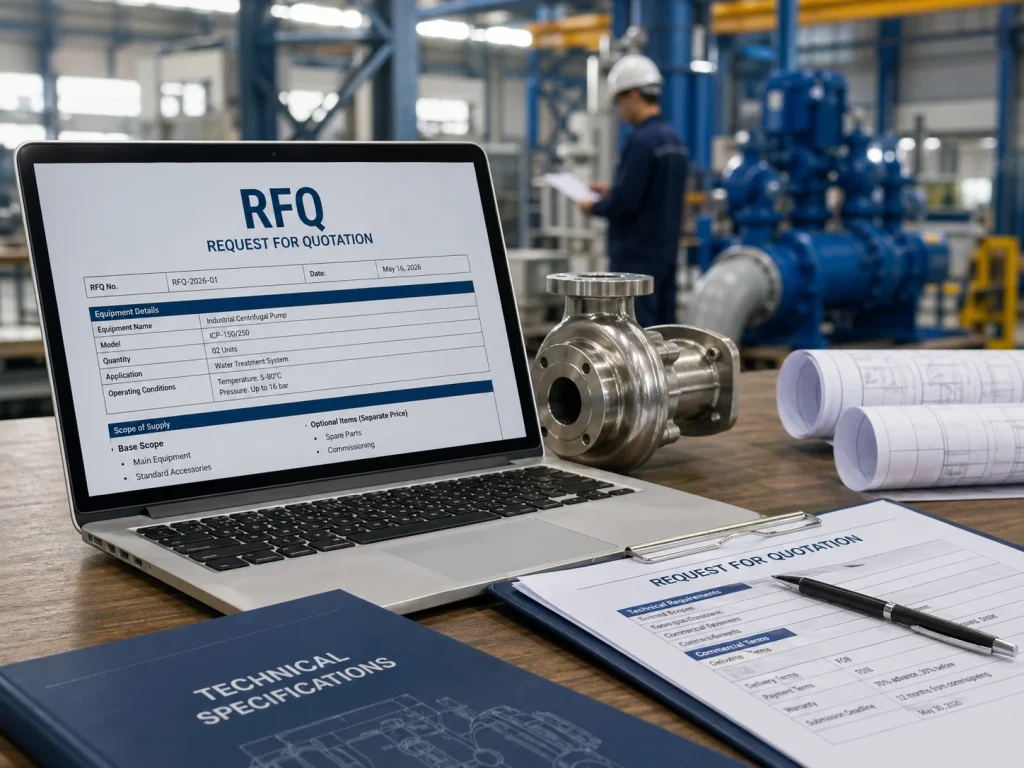
In today’s globalized supply chain, importing industrial equipment is no longer just a transactional process—it is a strategic function that directly impacts project timelines, operational efficiency, and long-term asset performance. For companies in the UAE operating across sectors such as oil & gas, power generation, wastewater treatment, and large-scale industrial projects, procurement decisions must balance technical precision, compliance, cost control, and risk mitigation.
This article outlines the key factors procurement managers and industrial buyers should evaluate when sourcing equipment internationally—based on real-world challenges faced in complex industrial environments.
1. Supplier Selection and Evaluation: Beyond Price
One of the most critical—and often underestimated—factors in importing industrial equipment is supplier selection. In high-stakes industries, choosing the wrong supplier can result in delayed projects, non-compliant equipment, or costly rework.
Key Considerations:
- OEM vs Non-OEM Suppliers:
Original Equipment Manufacturers (OEMs) offer reliability, traceability, and warranty assurance. However, non-OEM or third-party suppliers can be viable if they meet strict quality and certification requirements. - Certifications and Compliance:
Verify ISO, API, ASME, or other relevant certifications depending on the application. In sectors like oil & gas, non-compliance can lead to immediate rejection at site level. - Track Record and References:
Evaluate past project performance, especially in similar industries or regions. Supplier reliability directly affects project timelines and operational uptime. - Local Representation or Support:
Suppliers with regional presence or partners in the UAE can significantly reduce lead times and simplify after-sales support.
Real-world challenge: Procurement teams often face situations where low-cost suppliers fail to meet documentation or certification requirements—leading to shipment rejection or project delays.
2. Product Quality and Technical Specifications
Industrial procurement is specification-driven. A mismatch between ordered and delivered specifications can compromise safety, efficiency, and compliance.
What to Evaluate:
- Adherence to International Standards:
Ensure alignment with project specifications (e.g., ASTM, IEC, DIN). Equipment used in regulated sectors must meet strict technical criteria. - Performance Requirements:
Consider operating conditions such as temperature, pressure, corrosion resistance, and lifecycle expectations. - Material Traceability:
For critical equipment, full traceability (Mill Test Certificates, inspection reports) is essential. - Pre-Shipment Inspection (PSI):
Independent inspection before shipment can prevent costly issues at the destination.
Real-world challenge: Equipment that technically “matches” specifications on paper may fail under site conditions due to overlooked environmental or operational factors.
3. Logistics and Shipping: Managing Complexity
The UAE’s position as a global logistics hub offers advantages—but importing industrial equipment still requires careful coordination.
The country’s advanced ports and logistics infrastructure enable efficient global trade flows, but success depends on proper planning and execution.
Key Factors:
- Lead Time Management:
Delays in manufacturing, documentation, or shipping can disrupt entire project schedules. - Freight Options:
- Air freight: Faster but costly (used for urgent spares)
- Sea freight: Cost-effective for heavy equipment but requires longer planning
- Packaging and Handling:
Improper packaging can lead to damage, especially for sensitive or heavy machinery. - Coordination Across Stakeholders:
Aligning suppliers, freight forwarders, customs brokers, and site teams is critical.
Real-world challenge: A delay in a single component shipment can halt commissioning of an entire plant—resulting in significant financial losses.
4. Customs and Compliance: Avoiding Costly Delays
Customs clearance in the UAE is generally efficient—but only when documentation and compliance are handled correctly.
Key Requirements:
- Accurate HS Codes:
Incorrect classification can result in delays, penalties, or additional duties. - Documentation:
Typical requirements include:- Commercial invoice
- Packing list
- Certificate of origin
- Bill of lading
- Technical documentation
- Product Certifications:
Certain equipment requires conformity certification from UAE authorities to ensure compliance with safety and technical standards. - Regulatory Awareness:
UAE and GCC regulations must be followed, including customs laws and import procedures.
Real-world challenge: Missing or incorrect documentation is one of the most common causes of shipment delays—often resulting in demurrage costs and project setbacks.
5. Cost Factors: Looking Beyond the Purchase Price
Focusing solely on unit price is a common procurement mistake. The true cost of industrial equipment includes multiple hidden and long-term factors.
Cost Components to Consider:
- Shipping and Freight Costs
- Customs Duties and VAT
- Inspection and Certification Costs
- Installation and Commissioning Expenses
- Maintenance and Spare Parts Availability
Total Cost of Ownership (TCO):
A lower upfront price may lead to higher maintenance costs, shorter lifespan, or operational inefficiencies.
Real-world challenge: Procurement teams often face budget overruns due to unaccounted logistics costs or the need for replacement parts sooner than expected.
6. Risk Management: Preparing for Uncertainty
Global procurement inherently involves risks—from supplier issues to geopolitical disruptions.
Key Risk Areas:
- Supplier Reliability Risks:
Fraud, misrepresentation, or non-performance can occur without proper due diligence. - Delivery Delays:
Manufacturing bottlenecks, port congestion, or regulatory changes can impact timelines. - Quality Risks:
Non-conforming equipment can lead to rejection, rework, or safety issues. - Contractual and Payment Risks:
Payment delays and unclear terms can create financial exposure.
Mitigation Strategies:
- Conduct thorough supplier audits
- Use clear contracts with defined specifications and penalties
- Implement inspection and quality assurance processes
- Diversify supplier base where possible
Real-world challenge: A single failure in supplier performance can cascade into project delays, contractual penalties, and reputational damage.
7. The Value of Strategic Procurement Partnerships
Given the complexity of importing industrial equipment, many organizations are moving toward strategic sourcing partnerships rather than handling procurement entirely in-house.
An experienced procurement partner can:
- Access a global network of verified suppliers
- Ensure compliance with UAE regulations
- Manage logistics and documentation efficiently
- Reduce risk through quality control and supplier vetting
This approach allows internal teams to focus on core project execution while ensuring procurement reliability.
Conclusion
Importing industrial equipment into the UAE is a multi-layered process that requires technical expertise, regulatory knowledge, and strong supply chain coordination. From selecting the right supplier to managing logistics and compliance, every decision impacts project success.
Organizations that take a structured, risk-aware approach to procurement—while leveraging experienced sourcing partners—are better positioned to avoid delays, control costs, and ensure long-term operational performance.