Introduction
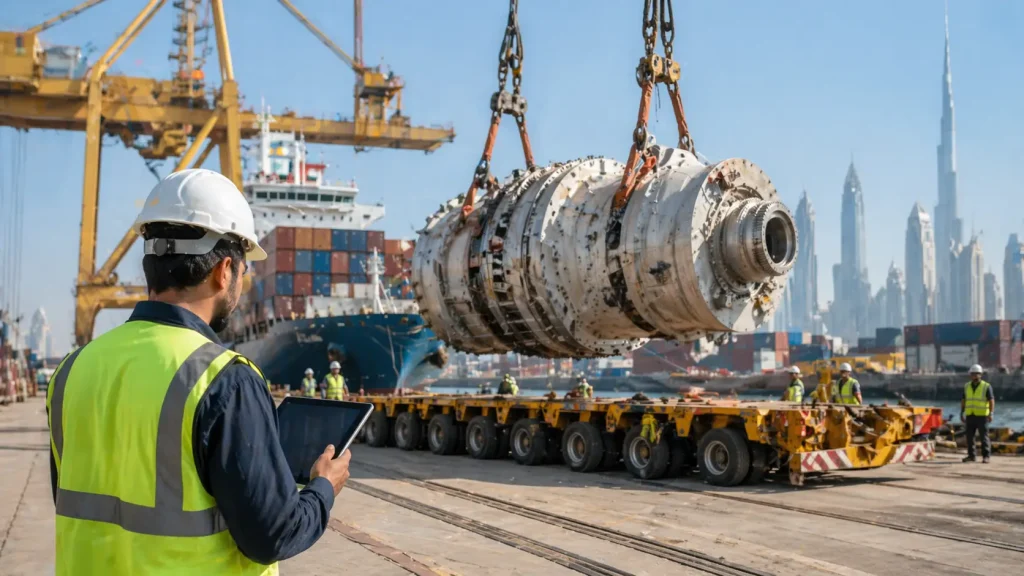
The UAE is widely recognized as one of the most advanced logistics and trade hubs in the world. With world-class ports, free zones, and global connectivity, it has positioned itself as a central node for industrial supply across the Middle East, Africa, and Asia.
However, despite these advantages, industrial procurement teams operating in the UAE still face a distinct set of challenges.
These challenges are not always obvious at first glance. Many organizations assume that strong infrastructure automatically guarantees smooth supply. In reality, industrial sourcing in the UAE involves navigating a complex environment shaped by:
- Heavy reliance on global imports
- Diverse supplier structures (mainland vs free zone)
- High exposure to counterfeit and grey-market goods
- Regulatory and compliance requirements
- Market fragmentation across industries and emirates
Understanding these challenges—and more importantly, knowing how to manage them—is essential for maintaining operational continuity, controlling costs, and reducing risk.
The UAE Industrial Supply Landscape
Before diving into the challenges, it’s important to understand the nature of the UAE supply ecosystem.
Unlike purely manufacturing-driven economies, the UAE operates as a hybrid market:
- A global sourcing hub for imported industrial goods
- A regional redistribution center
- A growing industrial base driven by national strategies and localization initiatives
This creates both opportunities and complexities.
On one hand, buyers have access to a wide range of global suppliers.
On the other hand, they must manage longer supply chains, multiple intermediaries, and varying levels of supplier reliability.
1. Lead-Time Volatility and Supply Uncertainty
The Problem
One of the most persistent challenges in the UAE industrial market is unpredictable lead times.
Even when sourcing from well-known suppliers, delays can occur due to:
- Overseas manufacturing constraints
- Raw material shortages
- Shipping disruptions
- Customs clearance delays
Because many industrial goods are imported, local availability often depends on global production cycles—not local demand.
The Impact
- Project delays and missed deadlines
- Increased expediting costs (air freight, urgent orders)
- Production downtime in operational facilities
- Reduced reliability in planning and forecasting
The Solution
1. Build a Long-Lead Strategy Early
Identify critical items at the beginning of a project and prioritize their sourcing.
2. Maintain a Long-Lead Register
Track items with extended delivery times and monitor them separately.
3. Use Buffer Planning
Introduce time and inventory buffers for high-risk items.
4. Work with Multiple Supply Channels
Avoid dependency on a single supplier—especially for critical components.
2. Supplier Fragmentation Across Free Zones and Mainland
The Problem
The UAE market is highly fragmented in terms of supplier structure.
Suppliers may operate from:
- Mainland entities
- Free zones (JAFZA, DMCC, KEZAD, etc.)
- International offices with local representation
Each structure comes with different:
- Licensing rules
- Tax implications
- Import/export processes
The Impact
- Complex onboarding processes
- Inconsistent documentation
- Confusion over legal responsibility
- Delays in contracting and payment
The Solution
1. Standardize Supplier Onboarding
Create a unified checklist for all suppliers regardless of location.
2. Verify License and Activity
Ensure the supplier is legally authorized to supply the required products.
3. Align Commercial Structure Early
Clarify:
- Who is the seller of record
- Who handles importation
- Who is responsible for compliance
3. Counterfeit and Grey-Market Product Risks
The Problem
Due to the UAE’s role as a global trading hub, the market is exposed to:
- Unauthorized distribution channels
- Parallel imports
- Counterfeit industrial components
This is especially common in:
- Bearings
- Valves
- Electrical components
- Automation parts
The Impact
- Equipment failure
- Safety risks
- Warranty invalidation
- Legal exposure
The Solution
1. Enforce Traceability
Require:
- Serial numbers
- Batch numbers
- Manufacturer certificates
2. Buy Through Authorized Channels
Work with:
- OEMs
- Authorized distributors
- Verified supply chains
3. Implement Inspection Controls
Introduce incoming inspection for critical items.
4. Use Contract Protection
Include:
- No-substitution clauses
- Authenticity guarantees
- Supplier liability terms
4. Compliance and Documentation Complexity
The Problem
Industrial procurement in the UAE often involves strict documentation requirements, especially when dealing with:
- Government entities
- Regulated industries
- Cross-border shipments
Common issues include:
- Missing certificates
- Incorrect invoices
- Incomplete shipping documents
The Impact
- Customs clearance delays
- Payment delays
- Contractual disputes
- Rejection of goods
The Solution
1. Define Documentation Requirements in Advance
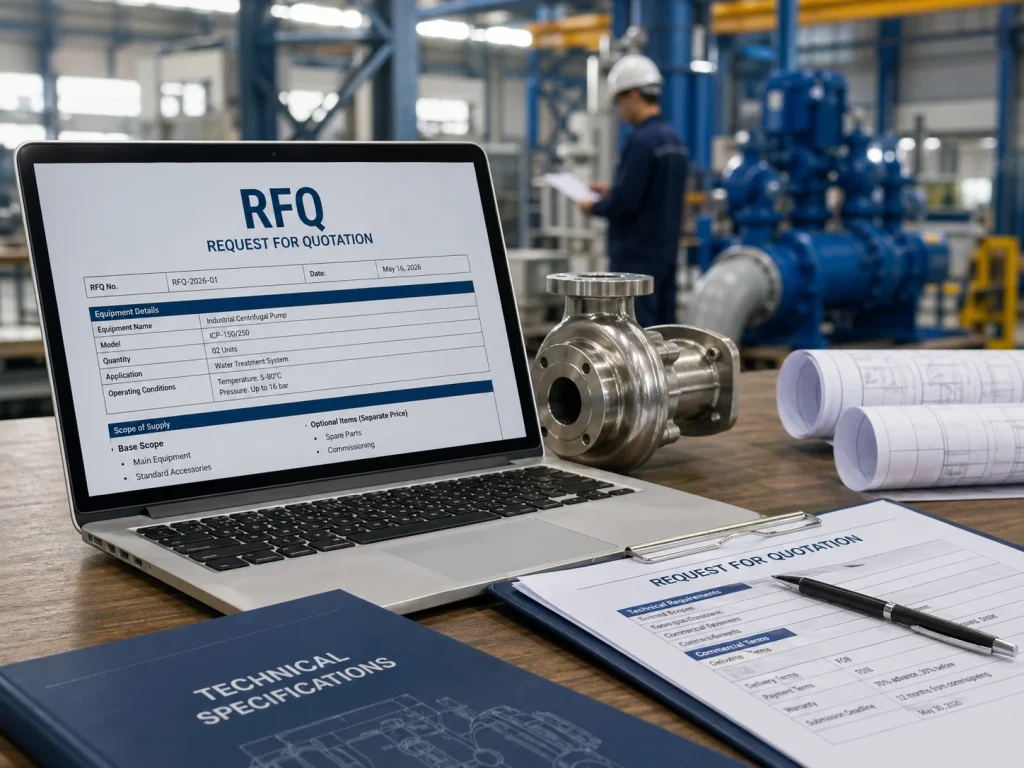
Include all required documents in RFQs and contracts.
2. Use Pre-Shipment Checklists
Ensure suppliers submit documents before shipping.
3. Assign Ownership
Clearly define who is responsible for each document:
- Supplier
- Buyer
- Logistics partner
5. Logistics and Customs Challenges
The Problem
Even with advanced infrastructure, logistics execution can fail due to:
- Incorrect HS codes
- Incomplete declarations
- Misalignment in shipping terms
- Poor coordination with freight forwarders
The Impact
- Shipment delays
- Additional storage and demurrage costs
- Unexpected duties or penalties
The Solution
1. Use Experienced Logistics Partners
Work with freight forwarders familiar with UAE regulations.
2. Standardize Shipping Instructions
Provide clear guidelines on:
- Packaging
- Labeling
- Documentation
3. Align on Delivery Terms
Ensure both parties clearly understand responsibilities.
6. Price Volatility and Cost Uncertainty
The Problem
Industrial procurement is exposed to fluctuating costs due to:
- Raw material price changes
- Currency fluctuations
- Freight cost variations
The Impact
- Budget overruns
- Reduced profitability
- Difficulty in long-term planning
The Solution
1. Focus on Total Cost, Not Just Price
Consider:
- Logistics
- Maintenance
- Lifecycle cost
2. Use Long-Term Agreements
Lock in pricing where possible.
3. Apply Price Adjustment Mechanisms
For long-term contracts, include structured pricing models.
7. Limited Local Manufacturing for Certain Categories
The Problem
While the UAE is growing its industrial base, many specialized products are still:
- Fully imported
- Dependent on foreign OEMs
The Impact
- High dependency on external supply chains
- Limited negotiation power
- Longer lead times
The Solution
1. Identify Local Alternatives Where Possible
Even partial localization can reduce risk.
2. Develop Strategic Supplier Relationships
Work closely with key suppliers for better allocation and support.
3. Combine Local and International Sourcing
Use a hybrid sourcing strategy:
- Local suppliers for speed
- Global suppliers for specialization
8. Increasing Demand for Compliance and Transparency
The Problem
Procurement is no longer just commercial—it is also compliance-driven.
Organizations must consider:
- Supplier legitimacy
- Ownership transparency
- Ethical sourcing
- Anti-fraud regulations
The Impact
- Longer onboarding cycles
- More documentation requirements
- Higher due diligence workload
The Solution
1. Build a Supplier Compliance Framework
Standardize requirements across all suppliers.
2. Maintain Supplier Records
Keep updated documentation for audits.
3. Integrate Compliance into Procurement Workflow
Do not treat compliance as a separate step—make it part of the process.
Final Thoughts
Industrial procurement in the UAE is not difficult because of lack of supply—it is challenging because of complexity.
The most successful procurement teams are not those who find the cheapest supplier, but those who:
- Understand risk at every stage
- Build structured sourcing systems
- Combine local and global supply intelligently
- Enforce quality, traceability, and compliance
In a market as dynamic as the UAE, procurement excellence is not a one-time effort—it is a continuous process of improvement, control, and strategic decision-making.