Introduction
Procurement in industrial projects is rarely straightforward. Unlike routine purchasing, industrial procurement operates in an environment of uncertainty—where incomplete specifications, evolving engineering requirements, supplier constraints, and complex contractual structures often lead to delays, cost overruns, and disputes.
The reality is clear:
Procurement failures don’t happen because teams can’t buy — they happen because they buy under uncertainty without control systems.
This guide breaks down the most common procurement challenges in industrial projects and provides practical, proven solutions to overcome them.
Why Industrial Procurement Is High-Risk
Industrial procurement differs from standard purchasing in three critical ways:
- It involves long-lead and engineered-to-order items
- It requires strict documentation and compliance (drawings, certifications, test reports)
- It depends on multi-party coordination (EPCs, suppliers, subcontractors, logistics)
When any of these layers fail, projects experience:
- Delays
- Rework
- Budget overruns
- Contract disputes
The Most Common Procurement Challenges
Based on the risk matrix on page 2, the most critical risks include:
1. Scope Creep
Uncontrolled changes after project start.
Impact: Delays, cost increases, disputes
Early signs: Frequent spec revisions, urgent purchase requests
2. Specification Ambiguity
Unclear or inconsistent technical requirements.
Impact: Supplier confusion, incorrect deliveries
Early signs: Vendor questions on basic specs
3. Supplier Reliability Issues
Unreliable delivery, poor communication, or capacity limitations.
Impact: Missed deadlines, project disruption
4. Long Lead Times
Delays in manufacturing or delivery of critical items.
Impact: Project schedule collapse
5. Quality Failures
Defective products, rework, or non-compliance.
Impact: Cost overruns + operational risk
6. Cost Overruns
Price escalation, variation orders, logistics costs.
7. Contract Disputes
Conflicts over scope, payment, or delivery.
📊 Key insight:
Disputes are increasing in both cost and duration, often taking months to resolve.
8. Logistics & Customs Delays
Missing documents, incorrect HS codes, or permit issues.
9. Regulatory & Compliance Issues
VAT errors, missing certifications, restricted goods.
10. Stakeholder Misalignment
Engineering, procurement, and project teams not aligned.
11. Ethical & Corruption Risks
Conflicts of interest, single-source pressure, unofficial payments.
Root Causes Behind These Problems
Almost all procurement challenges come from five core weaknesses:
- Poor requirement definition
- Weak supplier evaluation
- Lack of process & governance
- Unclear contracts
- Misaligned stakeholders & incentives
Proven Solutions (High-Impact Fixes)
1. Control Scope Early
- Define clear specifications before procurement
- Implement formal change control systems
- Set approval thresholds
👉 This is the highest-impact improvement.
2. Standardize Documentation
- Create a single source of truth for specs
- Define document hierarchy
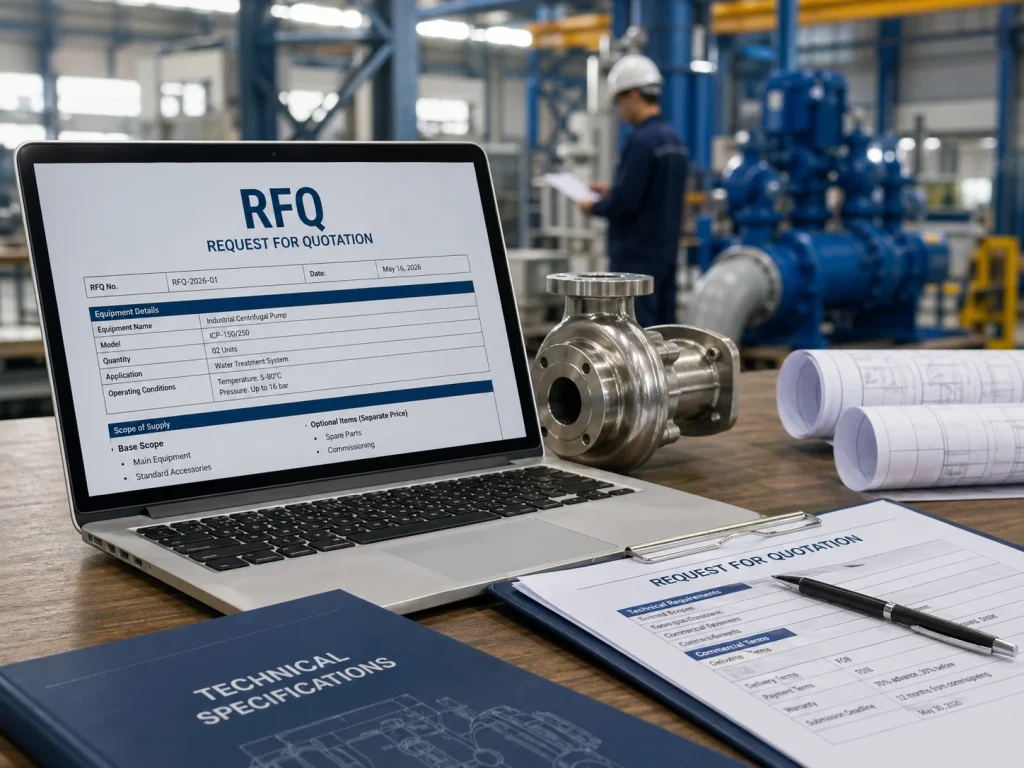
- Use structured RFQ templates
3. Strengthen Supplier Selection
- Pre-qualify suppliers
- Perform financial and capacity checks
- Use dual sourcing for critical items
4. Manage Lead Times Strategically
- Identify long-lead items early
- Implement expediting plans
- Build buffer strategies
5. Improve Quality Control
- Define QA/QC processes
- Use inspection test plans (ITPs)
- Add third-party inspections for critical items
6. Control Costs Proactively
- Focus on total cost of ownership (TCO)
- Use escalation clauses
- Manage variation orders strictly
7. Prevent Contract Disputes
- Use clear contract structures
- Define acceptance criteria
- Implement dispute escalation frameworks
8. Fix Logistics & Compliance Early
- Create a logistics readiness checklist
- Ensure complete documentation (CoO, invoices, permits)
- Engage customs experts early
9. Use Smart Payment Structures
- Letters of Credit (L/C) for high-risk transactions
- Milestone-based payments
- Performance guarantees
10. Align Teams & Governance
- Implement RACI model (clear roles)
- Use cross-functional procurement teams
- Define approval workflows
11. Enforce Ethical Controls
- Conflict-of-interest policies
- Transparent supplier selection
- Audit trails and documentation
UAE & GCC-Specific Considerations
In the UAE, procurement complexity increases due to:
- Free zone vs mainland regulations
- Customs restrictions and permits
- VAT/TRN compliance requirements
- ICV (In-Country Value) program
- AML and sanctions screening expectations
👉 These factors must be integrated into procurement planning—not handled later.
Practical Procurement Framework
A structured approach to reduce risk:
Phase 1: Planning
- Define scope
- Build risk register
- Identify long-lead items
Phase 2: Supplier Strategy
- Pre-qualify vendors
- Issue structured RFQs
Phase 3: Execution
- Monitor delivery
- Control changes
- Ensure documentation compliance
Phase 4: Performance Management
- Track KPIs (delivery, quality, cost)
- Manage disputes quickly
- Improve continuously
Key KPIs for Procurement Success
- On-time delivery rate
- Quality acceptance rate
- Cost variance
- Lead time accuracy
- Dispute frequency
These metrics directly reflect procurement maturity.
Final Thoughts
Industrial procurement success is not about finding the lowest price — it’s about managing risk, complexity, and uncertainty.
The most effective organizations follow a clear principle:
Structure beats speed. Governance beats urgency.
By implementing strong processes, aligning stakeholders, and proactively managing risks, companies can significantly reduce procurement failures and deliver projects on time and within budget.